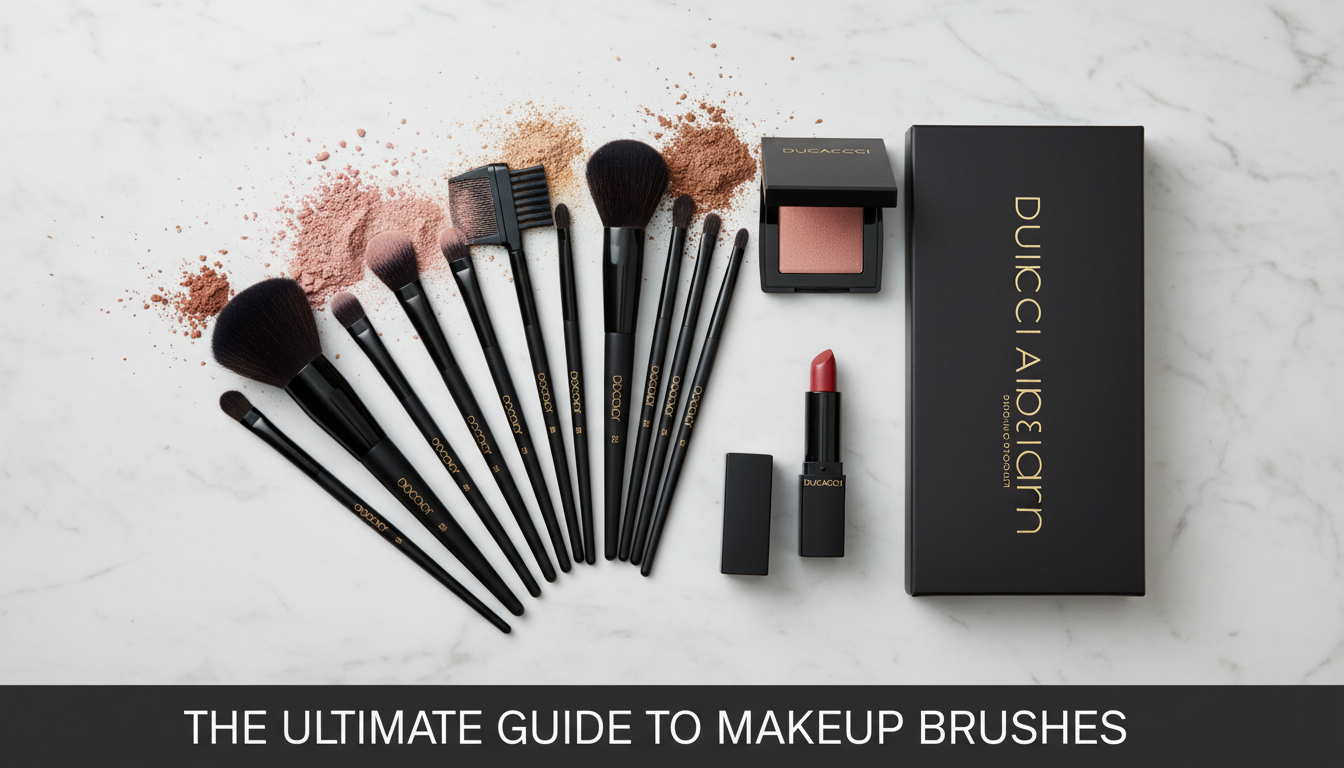
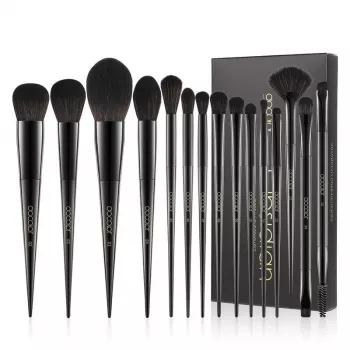
A complete brush lineup can simplify makeup routines, improve blending, and help products sit more naturally on the skin. A 15-piece set covers the core face brushes and detailed eye tools needed for everything from quick base makeup to layered eyeshadow looks—without mixing textures or shades across the wrong brush shapes. If you’ve ever wondered why foundation looks streaky, blush lands in one spot, or eyeshadow turns muddy, the fix is often as simple as using the right brush density and shape for the formula.
What a 15-piece brush set adds to a routine
A coordinated set removes the guesswork of “making it work” with one or two multipurpose brushes. With dedicated tools for base, cheeks, and eye detail, application becomes more predictable—especially when switching between powders, creams, and liquids.
- Supports full-face application: complexion, cheeks, brows, and eyes in one coordinated kit
- Reduces patchiness by matching brush shape to product type (powder vs cream vs liquid)
- Speeds up makeup steps by minimizing tool swapping and cleanup mid-routine
- Helps keep finishes intentional: diffused, soft-focus, or precise depending on brush density and edge
Face brushes: coverage, blending, and soft edges
Face brushes do the heavy lifting: spreading product evenly, blending edges, and preventing that “sitting on top of the skin” look. For liquids and creams, denser bristles help distribute product without dragging. For powders, fluffier shapes lay down a thin veil and keep the base intact.
- Foundation and base blending: look for dense, soft bristles that spread liquid/cream evenly and reduce streaks
- Powder setting: larger fluffy shapes help lay powder without lifting base makeup
- Bronzer and contour: angled or tapered brushes make it easier to keep definition under cheekbones and along the perimeter
- Blush placement: medium fluffy brushes build color gradually and prevent harsh spots
- Highlighting: small tapered brushes concentrate glow on high points without emphasizing texture
- Tip: use lighter pressure and build in thin layers to avoid over-application, especially with pigmented powders
Brush type guide: what to use and why
| Brush type |
Best for |
Ideal products |
Result |
| Dense flat/rounded face brush |
Foundation, tinted base |
Liquid, cream |
Even coverage with fewer streaks |
| Large fluffy powder brush |
Setting base |
Loose/pressed powder |
Soft, diffused set without caking |
| Angled cheek brush |
Bronzer, contour, blush |
Powder, light cream |
Controlled placement along angles |
| Tapered highlight brush |
Highlight, targeted powder |
Powder |
Precise glow on cheekbones and nose bridge |
| Small concealer/detail brush |
Spot concealing, under-eye |
Cream, liquid |
Focused coverage in small areas |
Eye brushes: seamless transitions and clean detail work
Eye looks get easier when each step has a purpose: one brush to lay down color, one to blend edges, and one to sharpen or smudge. Using the wrong brush can lead to fallout, uneven payoff, or harsh lines that take longer to correct.
- Blending brushes (fluffy): soften edges in the crease and create gradient transitions between shades
- Shader brushes (flat): pack pigment on the lid for stronger color payoff with less fallout
- Pencil/detail brushes: smudge liner, define lower lash line, and place inner-corner highlight
- Angled liner/brow brush: sharp winged liner with gel/powder, or structured brow definition
- Tip: keep one clean blending brush for final buffing so darker shades don’t muddy lighter transitions
How to use the set for three quick looks
A full set doesn’t have to mean a long routine. The advantage is choice: you can keep it minimal on weekdays and still have the tools for a more structured look when you want it.
Everyday natural
Soft glam
Defined eyes
Care and cleaning: keep bristles soft and skin-friendly
Brushes perform best when bristles stay flexible and free of buildup. Regular cleaning also helps avoid transferring old pigment, oil, and residue back onto the skin—especially along areas prone to congestion. For general skin-care guidance related to breakouts, the American Academy of Dermatology Association offers practical tips at aad.org. For general cosmetic safety information, see the FDA’s overview at fda.gov.
Choosing a brush set that matches your makeup style
If you want one kit that covers base, cheeks, and eye work without piecing tools together, the 15-Piece Professional Makeup Brush Set for Face and Eye Makeup is designed to handle everyday application and more layered looks. It’s a practical pick for beginners building a complete toolkit and for experienced users who want matched tools for different formulas.
Helpful add-on for cleaner results
If skin congestion around the chin makes makeup sit unevenly, a routine that targets buildup can help your base look smoother. See Get Rid of Chin Whiteheads – Clear Skin Routine, Targeted Treatments & Prevention for practical steps that pair well with consistent brush hygiene.
FAQ
How often should makeup brushes be washed?
Spot-clean as needed, and wash face brushes at least weekly if used daily—more often when using creams or liquids. Let brushes dry fully laid flat or angled downward to help protect the ferrule and keep bristles soft.
Can the same brushes be used for cream and powder products?
It’s possible, but separate brushes help prevent stiff buildup and muddy application. If you share brushes between formula types, clean thoroughly and make sure the bristles are fully dry before switching.
What brushes are most important if only a few are used daily?
A dense base brush, a fluffy powder brush, a blush/bronzer brush, a flat lid shader, and a fluffy blending brush cover most everyday looks. That mix handles base, setting, cheek color, lid payoff, and crease blending without extra steps.
Recommended for you









Leave a comment