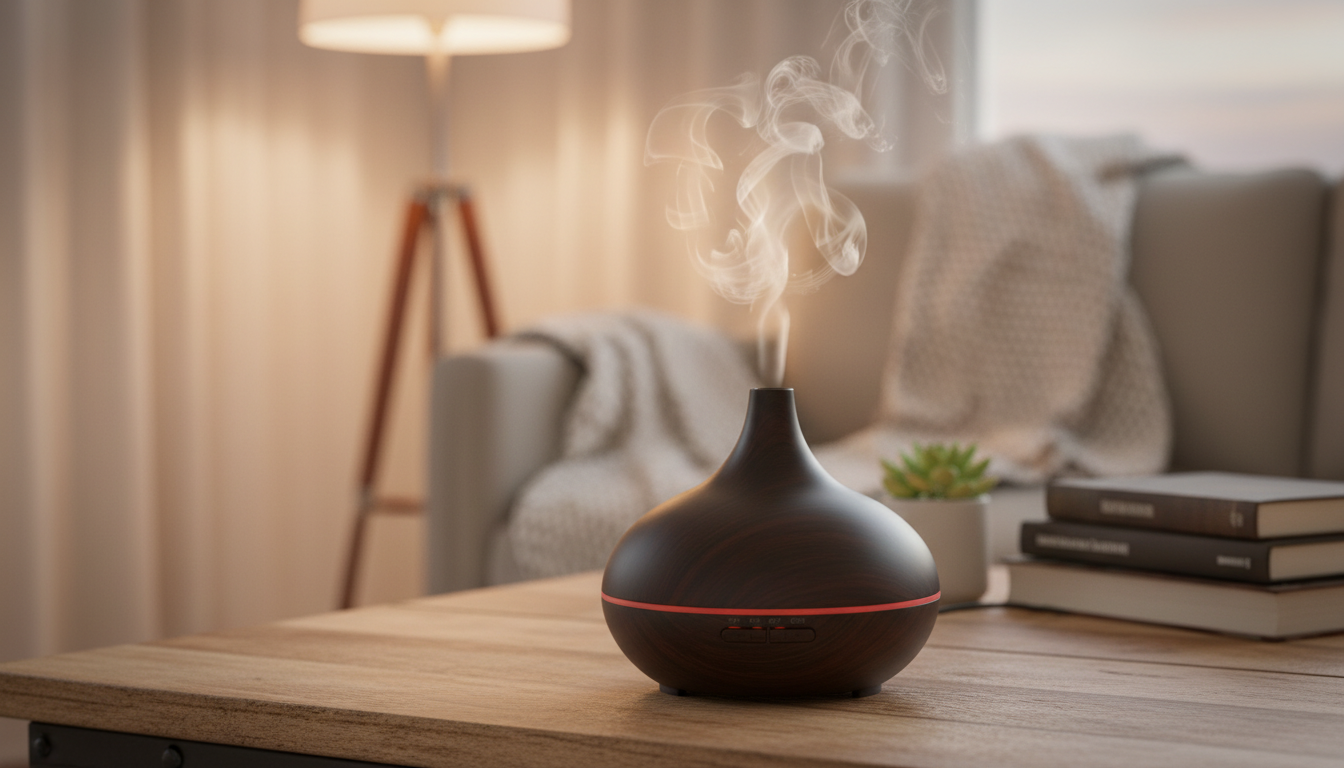
A compact 300ml diffuser-humidifier can freshen a room’s feel by adding gentle moisture and dispersing a light scent—without heat. Ultrasonic models are popular for bedrooms, desks, dorms, and quiet corners because the mist is cool, fine, and easy to control. Below is a practical guide to how an ultrasonic unit works, what to expect from a 300ml tank, daily-use tips for better mist output, and simple cleaning habits that help keep the device running fresh.
What it is and how ultrasonic mist works
This type of device combines two everyday functions: it adds a cool mist to make indoor air feel less dry, and it disperses diluted essential oils for a light aroma. Instead of heating water, ultrasonic technology uses high-frequency vibration to break water into micro-fine droplets that exit as a cool mist. Because there’s no boiling or hot plate involved, the mist feels gentle and is generally better suited for people who prefer a non-heated option.
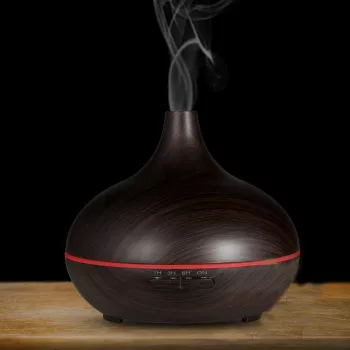
A 300ml tank is designed for smaller-to-medium spaces and for users who want a compact footprint on a nightstand or desk. Many models also include an LED light to add ambience—often used during wind-down routines, reading, stretching, or quiet time.
At-a-glance features and specs
A 300ml diffuser-humidifier hits a “sweet spot”: it’s typically larger than tiny travel diffusers, but still small enough to move between rooms and refill without hassle. For best results, place it on a level surface with clear airflow around the top outlet so mist can disperse evenly.
Quick specs checklist
| Feature |
What it means for daily use |
| 300ml water tank |
Fewer refills than mini diffusers while staying compact for desks/nightstands |
| Ultrasonic cool mist |
No heat needed; fine mist that feels light and comfortable |
| Essential oil compatible |
Add a few drops for aroma; avoid thick carrier oils that can clog |
| LED light |
Soft room ambiance; useful during wind-down routines |
| Routine cleaning needed |
Helps prevent residue buildup and keeps mist output steady |
Benefits to expect in real life
Most people notice a more comfortable “air feel,” especially when heating or AC makes a room feel too dry. While this type of unit isn’t meant to replace a dedicated humidifier for large areas, a steady cool mist can make a bedroom or office feel less parched during daily routines.
The combination of aroma + light can also act like a routine cue. A subtle scent and a soft LED glow can help signal “work is done,” “time to meditate,” or “bedtime.” And compared with candles or spray fresheners, the scent level is easy to manage: fewer drops for a lighter aroma, more drops (within reason) for a stronger effect.
Mindful use matters because essential oils are concentrated. Light diffusion, shorter sessions in very small rooms, and basic ventilation are typically more comfortable than running high intensity all day. For general aromatherapy safety guidance, see the Cleveland Clinic overview of aromatherapy.
How to use it (setup, oil drops, and placement)
1) Fill correctly
Fill the tank with clean water up to the indicated maximum line. Overfilling can reduce mist output and may cause splashing or water around the base.
2) Add oil conservatively
Start with 3–5 drops per full tank, then adjust based on room size and sensitivity. Too much oil can be overpowering and can increase residue buildup over time—especially if oils are heavy, sticky, or blended with carrier oils.
3) Choose a safe placement
Cleaning and maintenance for consistent mist
For broader humidifier care guidance (including avoiding buildup and keeping devices clean), the EPA humidifier use and care page is a helpful reference.
Safety notes for homes with kids, pets, and sensitive noses
- Use oils sparingly and store bottles safely: keep oils out of reach; ingestion can be dangerous.
- Be cautious with pets: some oils can irritate animals—especially in enclosed spaces. Run shorter sessions, keep doors open when possible, and ensure pets can leave the room. The ASPCA Animal Poison Control resources provide additional safety information.
- Prevent tipping and direct exposure: avoid directing mist at cribs, bedding, or pet beds; place the unit where it won’t be grabbed or knocked over.
- Listen to symptoms: if anyone experiences headache, throat irritation, or nausea, stop diffusion, ventilate the room, and use fewer drops next time.
- Keep expectations realistic: a diffuser supports comfort and ambiance; it isn’t a medical device and doesn’t diagnose or treat conditions.
Choosing the right size: where a 300ml model fits best
Capacity guide (practical expectations)
| Tank size |
Typical fit |
Best for |
| 100–200ml |
Very compact |
Small desks, travel, short sessions |
| 300ml |
Compact and balanced |
Bedroom/office daily use, fewer refills than minis |
| 500ml+ |
Larger footprint |
Longer sessions, bigger spaces (still not a whole-home humidifier) |
Troubleshooting common issues
Shop related picks
FAQ
How many drops of essential oil should be used in a 300ml diffuser?
Start with 3–5 drops per full tank, then adjust based on room size and sensitivity. Using too much oil can feel overpowering and may leave more residue inside the unit.
Can it be used as a humidifier all night?
It can add cool mist for comfort, but run time and output depend on your settings and room conditions. For sustained overnight humidity in very dry environments, a dedicated humidifier may be a better fit.
How often should the diffuser be cleaned?
Empty leftover water daily when possible, and do a deeper clean/descale about weekly if used daily. If you have hard water or use heavier oils, cleaning more often helps maintain steady mist output.
Recommended for you









Leave a comment