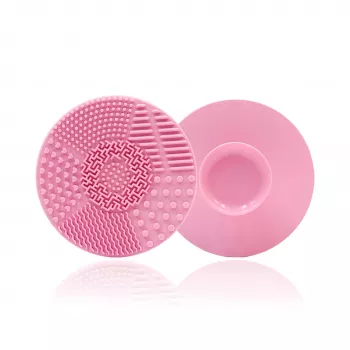
A silicone brush cleaning mat adds textured grooves and ridges to help loosen foundation, concealer, and powder buildup while using less effort than washing brushes in the palm of the hand. With the right technique, it supports cleaner bristles, smoother makeup application, and a more hygienic routine—without needing bulky tools or an electric device. For more guidance, see How To Clean Your Makeup Brushes – The Street Journal.
What a silicone brush cleaning mat does
Unlike smooth surfaces that let bristles glide without lifting residue, a silicone cleaning mat uses purpose-built textures to “grab” product trapped between fibers. For further reading, see How to Clean Your Makeup Brushes – Brown Beauty Barber School.
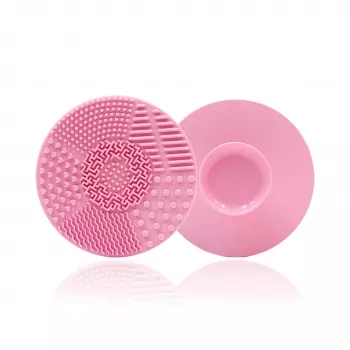
- Provides multiple textures (ridges, bumps, waves) that agitate bristles to release trapped pigment and oils.
- Helps speed up washing by concentrating friction in one area instead of scrubbing against skin.
- Can reduce wear on brushes by encouraging gentler, controlled swirling rather than harsh rubbing.
- Typically suctions to a sink or counter for stability during rinsing and lathering.
Why regular brush cleaning matters
Brushes don’t just “look” dirty when they’re overdue—they can start performing differently. Dense face brushes in particular can hold onto cream residue near the center of the bristles, even after a quick rinse.
- Product buildup can make brushes stiff, streaky, and less precise—especially with liquid and cream formulas.
- Residual oils and makeup can transfer back onto skin, which may contribute to irritation for some people.
- Clean bristles blend more evenly, helping base makeup look smoother and more consistent.
- Routine cleaning extends brush life by preventing hardened residue near the ferrule (the metal part).
For practical, consumer-focused guidance on brush hygiene, see the American Academy of Dermatology Association’s tips on cleaning makeup brushes. For broader cosmetics safety considerations, the FDA’s cosmetics safety Q&A is a helpful reference.
Key details to look for in a cleaning mat
Not every mat is built the same. The best ones feel simple, but they’re designed with real brush variety in mind—tiny eye shaders and fluffy powder brushes shouldn’t be forced through the same texture.
- Multiple zones: finer textures for eye brushes, deeper ridges for dense face brushes.
- Stable grip: suction cups or a shape that sits securely near the drain.
- Flexible silicone: bends for storage and is easy to rinse clean.
- Size fit: large enough for fluffy brushes but compact enough for small sinks.
- Easy-to-clean surface: pigment should rinse away without staining or holding odor.
How to use it (quick routine that protects bristles)
A mat works best with light pressure and a steady rhythm. Think “short, controlled swirls,” not aggressive scrubbing—especially if you’re cleaning natural hair brushes.
- Wet only the bristles with lukewarm water; keep the ferrule and handle as dry as possible.
- Add a small amount of gentle cleanser to the mat (or directly to bristles).
- Swirl the brush lightly over textured zones, switching textures as buildup loosens.
- Rinse bristles downward under running water until water runs clear.
- Gently squeeze excess water with a clean towel; reshape the brush head.
- Dry brushes horizontally on a towel edge or on a drying rack so moisture doesn’t seep into the ferrule.
Soap and cleanser options (what works best for different makeup)
The “right” cleanser depends on what your brushes touch most often. A fluffy powder brush used for setting powder has very different cleaning needs than a dense brush used with long-wear foundation.
Cleaning methods compared
Common ways to clean makeup brushes
| Method |
Best for |
Pros |
Trade-offs |
| Silicone cleaning mat + gentle cleanser |
Most face and eye brushes |
Fast agitation; controlled pressure; easy to rinse |
Needs sink space; still requires drying time |
| Palm-of-hand washing |
Occasional quick washes |
No tools needed; simple |
More effort; uneven friction; can irritate skin |
| Brush cleaning glove |
Multiple brush sizes |
Wearable; textured zones |
Can feel bulky; takes longer to rinse clean |
| Spray cleaner (spot clean) |
Quick color switches |
Fast for powders; no full wash needed |
Not a substitute for deep cleaning; may leave residue |
Drying and storage tips that prevent shedding and odors
How to clean and maintain the silicone mat
When a silicone mat is especially helpful
Recommended picks (in stock)
FAQ
How often should makeup brushes be washed?
If you use liquid or cream base products daily, washing those brushes about once a week helps prevent residue buildup. Eye brushes often do well with cleaning every 1–2 weeks depending on use, with quick spot-cleaning between color changes. Always allow full drying time and keep the ferrule as dry as possible during washing.
Can a silicone cleaning mat damage brush bristles?
Used with light pressure and gentle swirling, a silicone mat is generally bristle-friendly and can be less abrasive than scrubbing against skin. Avoid aggressive back-and-forth rubbing, very hot water, and soaking the ferrule, especially for natural hair brushes.
What cleanser should be used to remove foundation from brushes?
A gentle brush shampoo or mild soap works for many foundations, but long-wear or oily formulas may need a cleanser designed to break down oils. Rinse thoroughly until water runs clear so cleanser residue doesn’t affect makeup application.
Recommended for you









Leave a comment