Sneaky Habits That Age You Faster: A Practical Anti-Aging Lifestyle Checklist
Many everyday routines quietly speed up visible aging—dullness, fine lines, uneven tone, puffiness, and a tired look. The good news: small, consistent changes can support healthier skin, steadier energy, and a more refreshed appearance without overhauling your entire life.
The “silent agers” hiding in a normal day
Most “sudden” aging isn’t sudden at all—it’s the daily accumulation of small stressors that nudge your skin and body toward inflammation, dehydration, and slower recovery.
Light exposure and environment
Incidental UV adds up: short walks, errands, driving (UVA can reach you through windows), and reflected sunlight from pavement and cars. Over time, this oxidative stress may show up as uneven tone and reduced elasticity. Daily broad-spectrum sunscreen is one of the most reliable, visible-payoff habits (see the American Academy of Dermatology sunscreen guidance).
Sleep and recovery gaps
When sleep timing swings or nightly sleep runs short, your repair window shrinks. Many people notice it first around the eyes: darker circles, puffiness, and a flatter, less “lit” complexion. The CDC’s sleep resources emphasize that consistency matters—not just total hours.
Stress loops
Chronic stress can amplify inflammation, encourage jaw clenching and brow tension, and push you toward coping habits that compound the issue (late-night snacking, doomscrolling, skipped workouts). Reducing stress doesn’t have to be dramatic—brief resets done daily tend to outperform occasional big “wellness” efforts.
Nutrition drift
Ultra-processed snacks and low-protein, low-fiber meals can lead to energy crashes and may worsen the “tired face” effect by mid-afternoon. Skin also relies on micronutrients (like vitamin C, zinc, and essential fatty acids) that are easier to get from real meals than from grab-and-go snacks.
Movement shortcuts
Long sitting blocks without short breaks can affect circulation, posture, and muscle tone. Slumped posture often telegraphs fatigue—neck creasing, a forward head position, and tension that subtly changes facial expression.
Digital habits that can make skin look older
Late-night scrolling
Bright screens close to bedtime can delay sleep onset and reduce sleep quality for some people—especially when the content is stimulating. The issue is often less “blue light” and more sleep displacement: you meant to sleep, but you kept scrolling.
Tech-neck posture
Looking down for long stretches encourages neck creasing and tightness through the jaw and upper chest. That tension can show up as a clenched jaw, shallow breathing, and a furrowed brow—signals that read as “stressed” even when you feel fine.
High-stress notifications
Constant pings keep the nervous system slightly activated. Over time, it can feel harder to downshift into recovery mode, which is when skin and the rest of your body do their best repair work.
Quick fixes that actually stick
Habit-to-fix map: what to change this week
Common habits that accelerate a tired, older look—and practical swaps
| Sneaky habit |
How it shows up |
Simple swap |
| Skipping daily sunscreen |
Dark spots, uneven tone, fine lines |
Broad-spectrum SPF 30+ every morning; reapply for extended outdoor time |
| Sleeping too little or on an inconsistent schedule |
Puffiness, dullness, more visible lines |
Keep a steady wake time; aim for a regular bedtime window |
| Dehydration + salty snacks |
Dryness, under-eye puffiness |
Add a water “anchor” (after coffee, before lunch); pair salty foods with water and potassium-rich produce |
| Constant phone-down posture |
Neck creases, jaw tension |
Raise the screen; micro-break every 30–60 minutes; gentle neck mobility |
| High-sugar, low-protein breakfasts |
Energy crashes; skin looks tired by afternoon |
Protein + fiber base (eggs/Greek yogurt/tofu + berries/oats/chia) |
| Not removing makeup/sunscreen fully |
Congestion, rough texture |
Gentle double cleanse when needed; avoid harsh scrubbing |
A simple daily checklist for youthful-looking skin
Morning (5 minutes)
Midday (2 minutes)
Evening (10 minutes)
Wind-down (20–45 minutes)
Dim lights, reduce stimulating content, set your phone to quiet mode, and keep the bedroom cool and dark. If tobacco or frequent drinking is part of the routine, gradual reduction can show up on the face faster than expected (see the WHO tobacco overview).
Weekly
Skin-friendly lifestyle upgrades that don’t feel like a diet
Make it easy: a guided plan and printable checklist
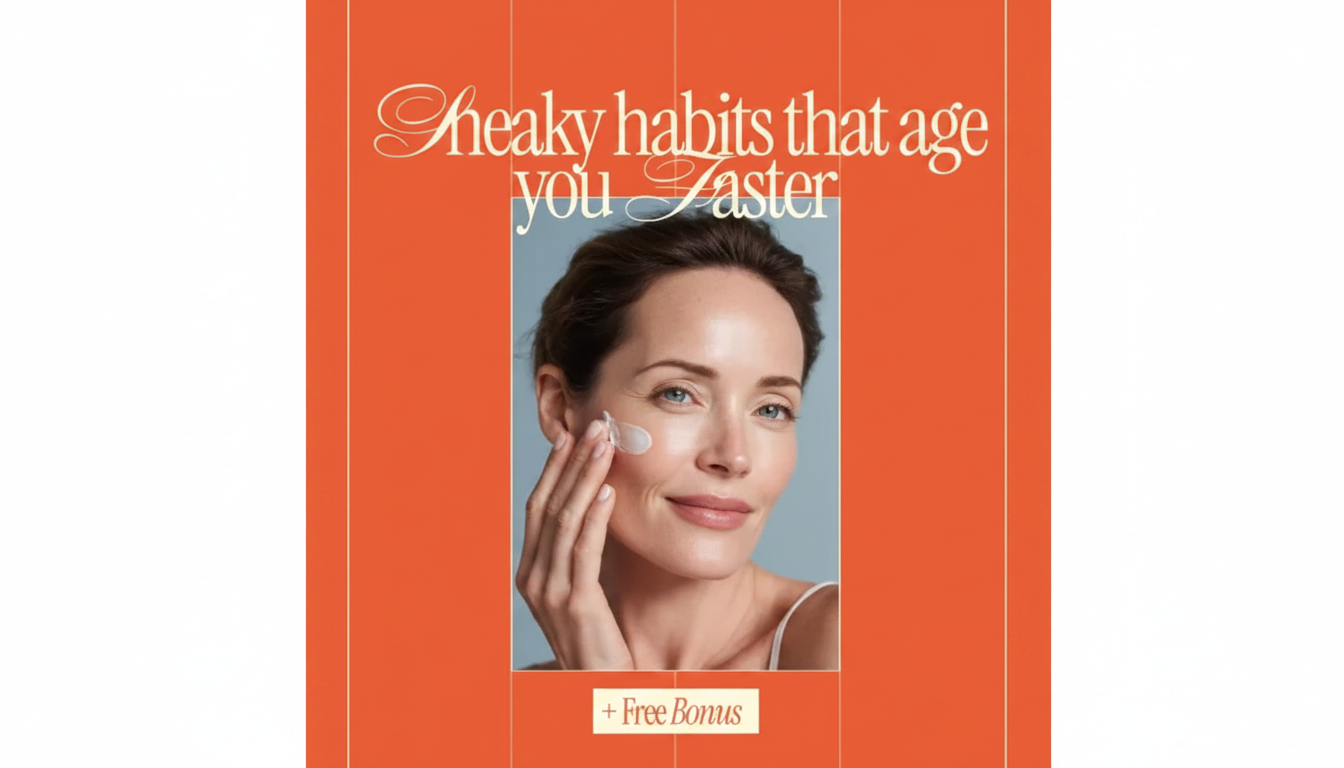
For a quick-start option, use the Sneaky Habits That Age You Faster digital guide and checklist to identify your most impactful changes and follow a step-by-step routine you can repeat.
If congestion or texture issues are part of what’s making skin look older and less smooth, pair lifestyle changes with a clear routine like Clear-skin routine for chin whiteheads and prevention tips.
And if sleep comfort is a long-term obstacle, upgrading the sleep environment can help make consistency easier—consider a supportive setup like the Queen Velvet Upholstered LED Bed Frame with 4 Drawers & Heart Shaped Headboard if you’re rebuilding your bedroom routine from the ground up.
FAQ
What are the most common daily habits that make skin look older?
Unprotected sun exposure, inconsistent sleep, chronic stress, dehydration, high-sugar/low-protein eating, smoking/alcohol, harsh scrubbing or over-exfoliating, and constant phone-down posture are the most common. Small swaps—SPF daily, steady sleep timing, and better hydration—usually give the fastest visible payoff.
Does screen time directly cause wrinkles?
Screen time is more likely to contribute indirectly through later bedtimes, higher stress, and posture (tech-neck and facial tension). Visible-light exposure is still being studied, but consistent sun protection and sleep hygiene typically matter more than obsessing over screen settings.
How long does it take to see improvements after changing habits?
Hydration and sleep consistency can improve puffiness and “brightness” in a few days to two weeks. Tone and texture often look better in about 4–8 weeks, while pigmentation and deeper changes can take longer—especially without consistent daily sun protection.
Recommended for you











Leave a comment