Regular nail care helps prevent painful overgrowth, snagging, scratched skin, and slipped footing—especially for indoor cats and young dogs. A sturdy stainless steel clipper with a comfortable grip makes routine trims faster, steadier, and easier to repeat without stress for the pet.
Why Nail Trimming Matters for Cats and Puppies
Healthy nails are part of healthy movement. When nails get too long, pets can shift how they stand and walk, which may affect comfort over time—especially for growing puppies and indoor cats that don’t naturally wear nails down as much.
- Prevents nails from curling into paw pads, which can lead to pain, infection, and limping
- Reduces accidental scratches during play and handling
- Supports healthy posture and movement by keeping paw contact even
- Helps protect floors, furniture, and fabrics from snagging and tearing
- Creates an early grooming routine for puppies so nail care stays low-stress as they grow
For broader pet care guidance, reputable resources like the American Veterinary Medical Association (AVMA) can help you understand when home grooming is appropriate and when a professional is the safer choice.
What to Look for in a Good Pair of Pet Nail Clippers
Small paws need a tool that feels precise in your hand. The best cat-and-puppy clippers are sharp, stable, and easy to clean—so the trim is quick and the experience stays predictable for your pet.
- Stainless steel cutting edges for durability, corrosion resistance, and cleaner cuts
- Sharp blades that slice instead of crush to reduce splitting and discomfort
- Ergonomic, non-slip handles for stable control—especially with wiggly pets
- A blade shape and opening size suited to small paws (cats and puppies)
- Easy-to-clean surfaces to support hygienic grooming routines
Quick guide to choosing nail clippers for small pets
| Feature |
Why it helps |
What to avoid |
| Stainless steel blades |
Stays sharp longer and resists rust |
Soft metal that dulls quickly |
| Sharp, aligned cutting edges |
Cleaner cut with less pressure |
Crushing or tearing through the nail |
| Non-slip grip |
More control during sudden movement |
Hard plastic that slips in damp hands |
| Compact opening |
Fits kitten and puppy nails safely |
Oversized clippers that block visibility |
| Smooth, wipeable design |
Simpler cleanup between pets |
Grooves that trap nail dust and debris |
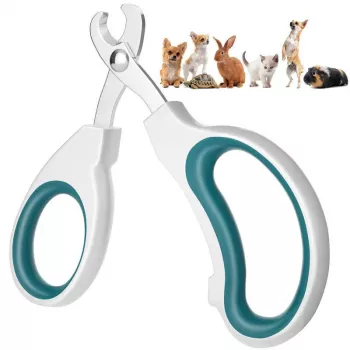
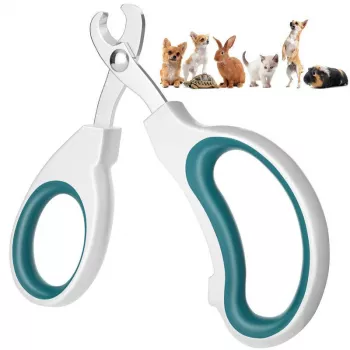
If you’re aiming for quick, calm trims at home, Stainless Steel Cat & Puppy Nail Clippers are a practical choice for routine maintenance—especially when nails are thin and you want a controlled, clean cut.
- Routine trims for cats, kittens, puppies, and small breeds with thinner nails
- Pet parents who prefer at-home maintenance between grooming visits
- Multi-pet households that need a dependable, easy-to-sanitize tool
- Quick touch-ups to keep nails from becoming sharp “hooks”
- Training young pets to accept paw handling with short, frequent sessions
For dogs, general grooming tips from organizations like the ASPCA can be helpful when building a consistent routine that includes paws, ears, and teeth.
How to Trim Nails Safely (Step-by-Step)
Set yourself up for success: bright lighting, a calm moment, and a plan to stop early if your pet gets stressed. The goal is “easy and repeatable,” not “all nails in one sitting.”
- Set up in bright light; keep styptic powder (or cornstarch in a pinch) nearby for minor nicks.
- Let the pet sniff the clippers; reward calm behavior before starting.
- Hold the paw gently; press the pad to extend the nail.
- Identify the quick (pink area in light nails); for dark nails, trim in tiny amounts and watch for a chalky white center.
- Clip small slices at a 45° angle, following the natural curve of the nail.
- Stop if the pet becomes stressed; resume later to keep sessions positive.
- Finish with praise and a treat; repeat frequently to maintain comfort with grooming.
Trim frequency and handling tips
| Pet type |
Typical trim frequency |
Handling tips |
When to stop and reassess |
| Indoor cat |
Every 2–4 weeks |
Wrap in a towel if needed; trim 1–2 nails per session |
Hissing, struggling, or rapid breathing |
| Kitten |
Every 2–3 weeks |
Very short sessions; pair with play and rewards |
Sudden jerks that make alignment unsafe |
| Puppy |
Every 2–4 weeks |
Practice paw touches daily; trim after walks when calmer |
Whining, biting attempts, or persistent pulling away |
| Small dog (adult) |
Every 3–6 weeks (varies by activity) |
Use a stable surface; trim a little at a time |
Nail looks close to the quick or begins to bleed |
Common Mistakes That Make Trims Harder
If you have a cat that’s sensitive to paw touch, the Cornell Feline Health Center offers helpful background on feline care and comfort cues: Cornell University College of Veterinary Medicine.
Care and Cleaning for Stainless Steel Clippers
When to Ask a Groomer or Veterinarian
More In-Store Picks
FAQ
How often should a cat or puppy have their nails trimmed?
Many indoor cats and puppies do well with trims every 2–4 weeks, though kittens often benefit from slightly more frequent touch-ups. If you hear clicking on hard floors or notice snagging on fabric, it’s usually time to trim.
What should be done if the quick is accidentally clipped?
Stay calm and apply styptic powder (or cornstarch) with gentle, steady pressure for several minutes. Prevent licking, and contact a veterinarian if bleeding doesn’t stop or the cut looks significant.
Can the same clippers be used for both cats and puppies?
Yes—if the clippers are sized for small pets and you clean them between uses. For thicker adult dog nails, a heavier-duty tool may be needed for a clean cut without squeezing.
Recommended for you











Leave a comment