Grace over Gravy: A Practical Guide to Managing Thanksgiving Stress (Printable Holiday Planner)
Thanksgiving can feel like a joyful gathering and a logistical marathon at the same time—meals, expectations, budgets, travel, family dynamics, and timing all collide in one day. A simple plan that covers both the practical details and the emotional pressure can turn the holiday from frantic to meaningful. This guide breaks stress down into solvable parts for hosts and guests, with a printable PDF planner that keeps decisions, deadlines, and boundaries in one place.
Why Thanksgiving Stress Spikes (and what it usually looks like)
Holiday stress isn’t “all in your head.” It’s often the predictable result of too many tasks squeezed into a fixed date, with social pressure layered on top. The American Psychological Association notes that stress can show up in the body and mind in ways that affect sleep, mood, and focus (APA: Stress), which explains why small hiccups can feel huge on Thanksgiving.
- Compressed deadlines: one fixed date, multiple “must-do” tasks, and little room for delays
- Invisible labor: planning, cleaning, shopping, coordinating, and emotional caretaking that often goes uncounted
- Expectation overload: traditions, perfectionism, and “how it’s always been” creating pressure
- Family dynamics: old roles reappearing, sensitive topics, and conflict triggers
- Budget and scarcity stress: rising food costs, travel expenses, and hosting add-ons
- Decision fatigue: too many choices made under time pressure (menu, timing, seating, activities)
A calm plan for hosts: decisions that reduce chaos
Thanksgiving gets lighter when decisions happen early and repeatedly. The goal isn’t “effortless.” It’s fewer surprises and fewer last-minute choices.
- Pick the non-negotiables: choose 1–3 traditions or dishes that truly matter, and release the rest.
- Set a realistic guest count: base seating on space, mobility needs, and conversation dynamics.
- Define the meal style early: plated, buffet, potluck, or hybrid—then align the menu and serving ware.
- Use a “good enough” cleaning plan: prioritize bathrooms, entryway, kitchen counters, and trash flow.
- Create a cooking map: oven/stovetop schedule, serving dish assignments, and a holding/warming strategy.
- Build buffers: add 30–60 minutes before guests arrive and 30 minutes before serving time.
- Delegate by category: appetizers, beverages, kids’ table, dishwashing rotation, leftovers.
Host timeline checklist (printable-friendly)
| When |
Focus |
Key tasks |
| 1–2 weeks before |
Lock the plan |
Confirm guest list, meal style, major dietary needs, and start the shopping list |
| 5–7 days before |
Prep and purchase |
Buy shelf-stable items, confirm potluck contributions, check serving dishes and storage containers |
| 2–3 days before |
Set up for success |
Tidy fridge, label shelves, prep make-ahead dishes, set out extra trash bags and foil |
| Day before |
Stage and simplify |
Set table, prep beverages, chop ingredients, finalize cooking schedule, charge devices/timers |
| Day of (morning) |
Cook with buffers |
Start long-cook items first, keep counters clear, run dishwasher early, set a calm music cue |
| Arrival to serving |
Manage flow |
Assign a greeter, keep appetizers visible, protect cook time, announce meal timing kindly |
| After meal |
Close out gently |
Pack leftovers, run one dishwasher cycle, capture what worked, release what didn’t |
A guide for guests: how to show up helpfully (without overstepping)
Guests can lower the temperature of the day by reducing coordination cost—meaning the host doesn’t have to manage one more decision, one more interruption, or one more “What should I do?” moment.
- Offer specific help: “Can I bring ice and a salad?” or “Want me to handle dessert and containers?”
- Ask about timing and parking: do it before travel so the host isn’t juggling texts while cooking.
- Respect kitchen boundaries: avoid “fixing” someone’s methods unless asked.
- Bring a low-effort contribution: labeled dish, serving utensil, allergy notes, and quick reheating instructions.
- Support calmer conversation: ask open, neutral questions and redirect tense topics early.
- Help with unglamorous tasks: trash, refilling drinks, kids’ activities, and post-meal clearing.
If you’re bringing turkey or handling leftovers, follow reliable food-safety guidance to avoid turning the next day into a stomachache situation (USDA FSIS: Turkey Basics—Safe Handling).
Boundaries that protect the day (scripts included)
A reset routine for the moments that feel too big
Stress-coping tools work best when they’re short enough to do in real life—between timer beeps, doorbells, and side dishes. The CDC recommends practical strategies for coping with stress, including taking breaks and focusing on what you can control (CDC: Coping with Stress).
Using the printable planner to make the holiday lighter
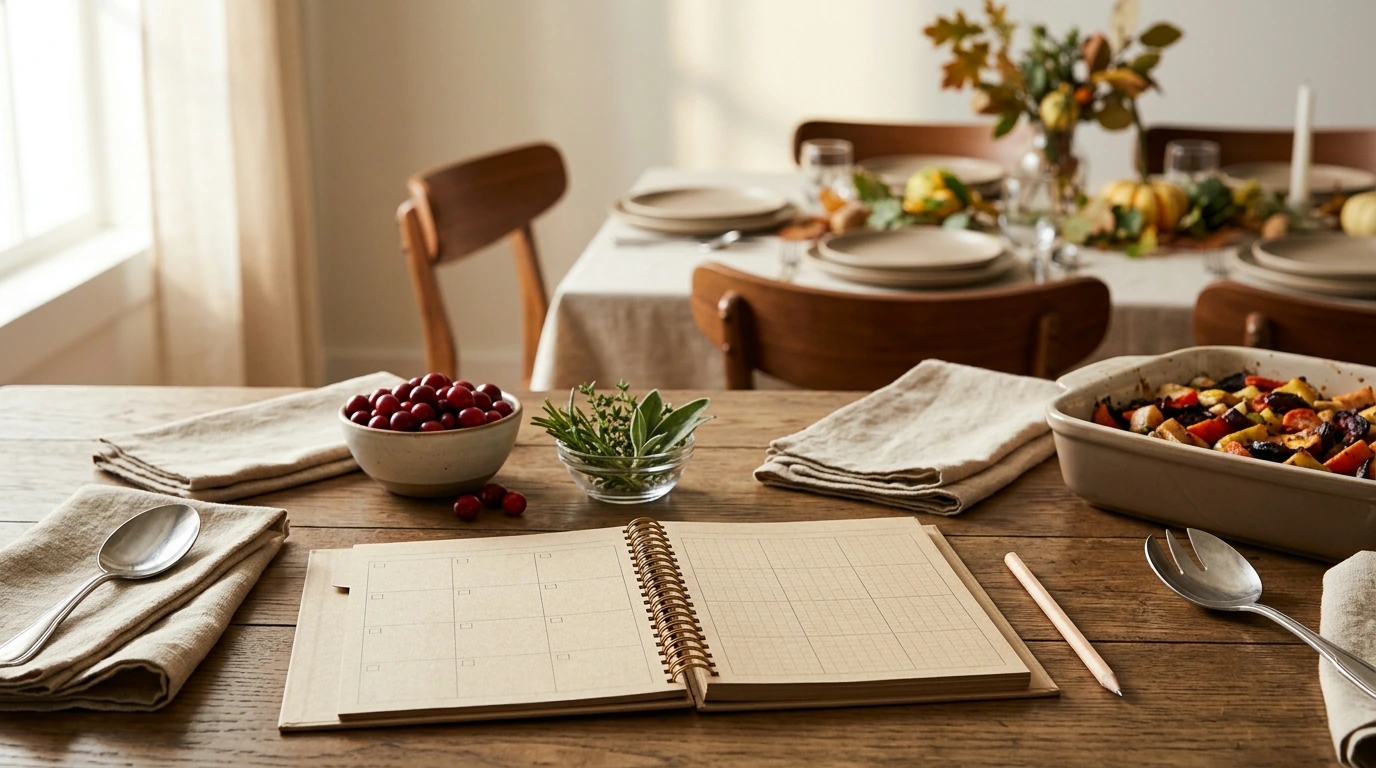
If you want a ready-to-print set of pages designed specifically for Thanksgiving flow, see Grace over Gravy: A Practical Guide to Managing Thanksgiving Stress (Printable PDF Holiday Planner).
Digital download details: what to expect
Small add-ons that make hosting feel easier
When the day includes hours on your feet and lots of quick pivots, comfort and confidence matter. If you’re building a “host uniform,” consider supportive footwear like Genuine Leather Chunky Heel Platform Loafers. And if stress tends to show up on your skin during busy seasons, a simple, structured routine can help you stay consistent—see Get Rid of Chin Whiteheads – Clear Skin Routine, Targeted Treatments & Prevention.
FAQ
How can Thanksgiving feel less stressful without giving up traditions?
Choose 1–3 core traditions or dishes, simplify the rest, and delegate by category so you’re not managing every detail. A timeline checklist with 30–60 minute buffers prevents one delay from cascading into the whole day.
What should a guest bring to actually help the host?
Bring items that require minimal coordination: ice, drinks, a labeled dish with its serving utensil, and disposable containers for leftovers. Offering concrete help (trash, refills, kids’ activities) supports the host without getting in the way.
Is this planner only for hosts?
No—guests can use the pages to plan contributions, confirm timing, and prepare conversation support, while co-hosts can split responsibilities by sections. Using the same planner format also reduces miscommunication because everyone is referencing the same plan.
Recommended for you












Leave a comment